
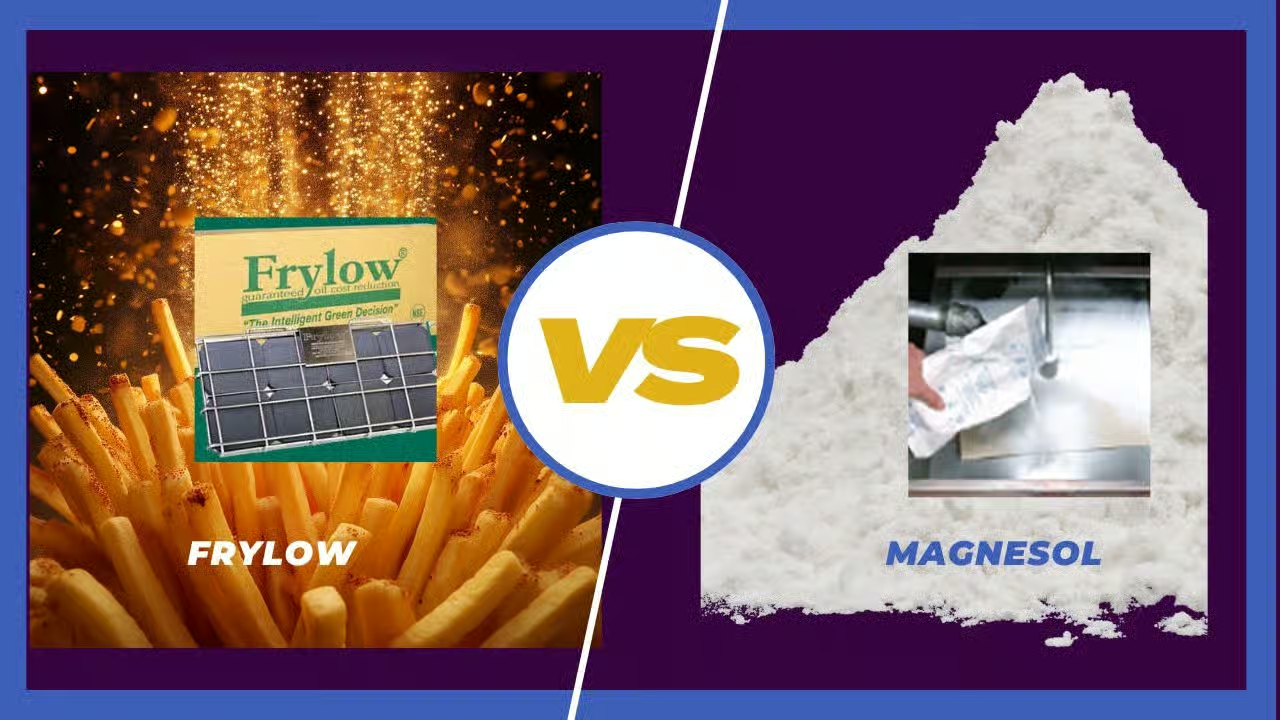
Food Texture Differences Highlight Frylow vs Magnesol
In the culinary world, the texture of food is as crucial as its flavor. The sensory experience of biting into a perfectly crispy French fry or savoring a tender piece of fried chicken can elevate a meal from ordinary to extraordinary. Two products that have gained attention for their impact on food texture in frying processes are Frylow and Magnesol. Both aim to enhance the quality and longevity of frying oil but achieve this through different mechanisms, ultimately affecting the texture of fried foods.
Frylow is an innovative ceramic device that modifies the molecular structure of oil, allowing it to fry at lower temperatures while maintaining crispiness and reducing oil absorption. This technology not only extends the life span of cooking oil but also ensures that fried foods retain their desired crunch without becoming greasy. By lowering the oxidation rate in oils, Frylow helps maintain consistent heat distribution during cooking, which is critical for achieving uniform textures across batches.
On the other hand, Magnesol acts as a filter powder designed to absorb impurities and contaminants from used frying oil. It works by attracting polar compounds like free fatty acids and carbonized particles that accumulate over time with repeated use of cooking oil. By purifying these elements out of the oil, Magnesol effectively prolongs its usability while maintaining clarity and preventing off-flavors from developing in fried foods.
The choice between Frylow vs Magnesol often comes down to specific needs regarding texture preferences and operational priorities within kitchen settings. Restaurants seeking to optimize their frying operations may find value in understanding how each product influences food texture differently.
Using Frylow can lead to noticeably lighter textures due to reduced fat absorption rates during frying processes. Foods cooked with this device often exhibit a delicate crispiness that enhances mouthfeel without overwhelming greasiness—a desirable trait for establishments focusing on health-conscious menus or aiming for gourmet-style presentations where subtlety matters.
Conversely, kitchens prioritizing cost-efficiency might lean towards integrating Magnesol into their routine maintenance practices since it allows them more extended use out of existing supplies before needing replacements—an essential consideration when managing overhead expenses associated with high-volume production environments such as fast-food chains or large-scale catering services where consistency remains paramount amidst fluctuating demands placed upon resources daily.